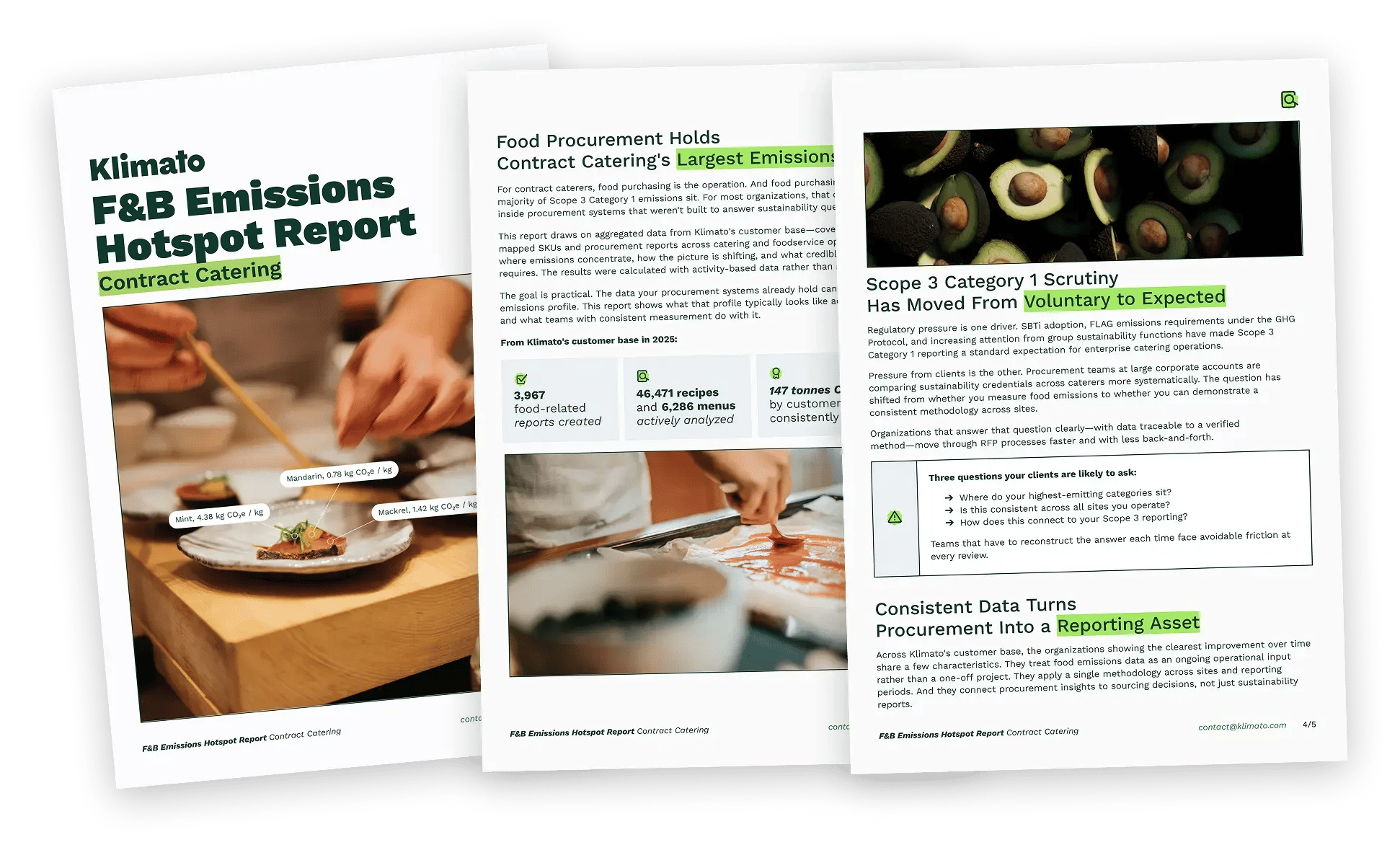











Where Catering's Highest Food Emissions Are Concentrated
A free data report from Klimato's customer base showing which ingredient categories drive the most Scope 3 Category 1 emissions, and what it takes to measure them accurately at scale.
✔ Based on real procurement data, not estimates
✔ Free download, no commitment
✔ Yours to keep
Where Should We Send Your Hotspot Report?
Most Caterers Have the Data.
The Problem Is Connecting It to Emissions.
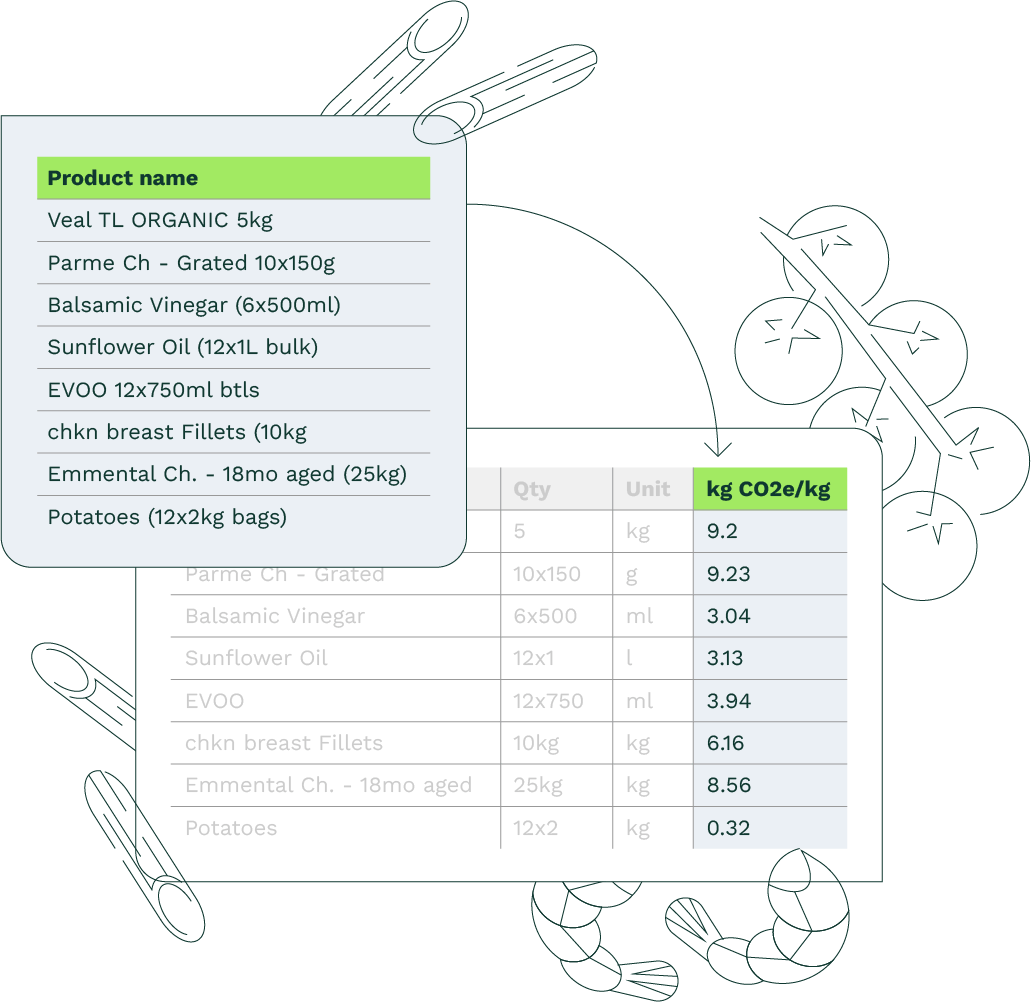
Food purchasing is the core of contract catering, and food purchasing is also where the majority of Scope 3 Category 1 emissions sit. For most organizations, that data already exists inside procurement systems. The challenge is connecting it to food-specific emissions factors and keeping that connection current as purchasing changes.
Without that connection, emissions profiles go unmeasured, RFPs produce vague or inconsistent answers, and audits surface gaps that were avoidable. With it, procurement becomes a reporting asset that gets more useful with every reporting cycle.
This report draws on aggregated data from Klimato's customer base—covering thousands of mapped SKUs and procurement reports across catering and foodservice operations—to show where emissions concentrate, how the picture is shifting year over year, and what credible reporting on it actually requires.

What the Report Covers
![]()
Where Emissions Concentrate Across Procurement
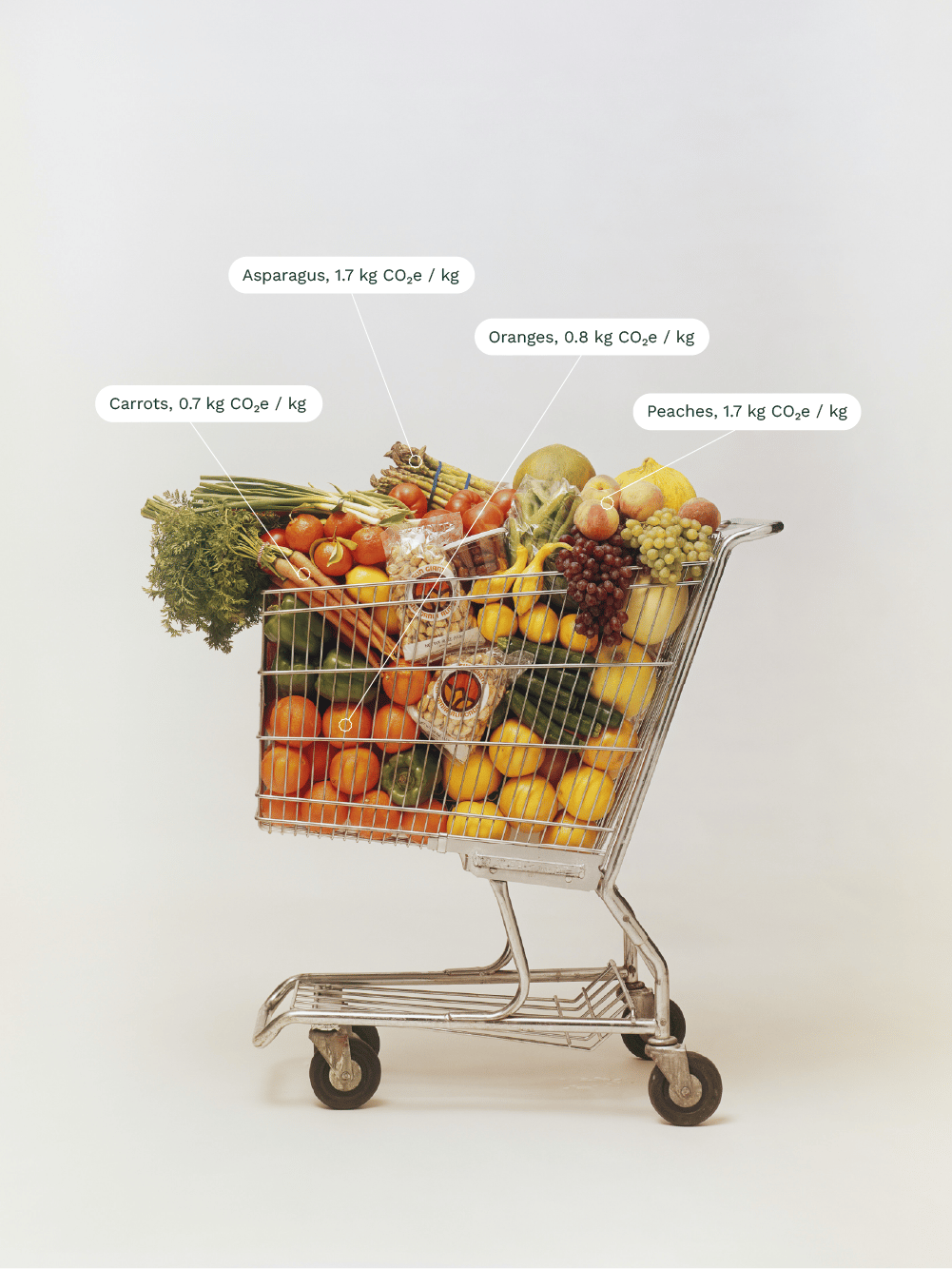
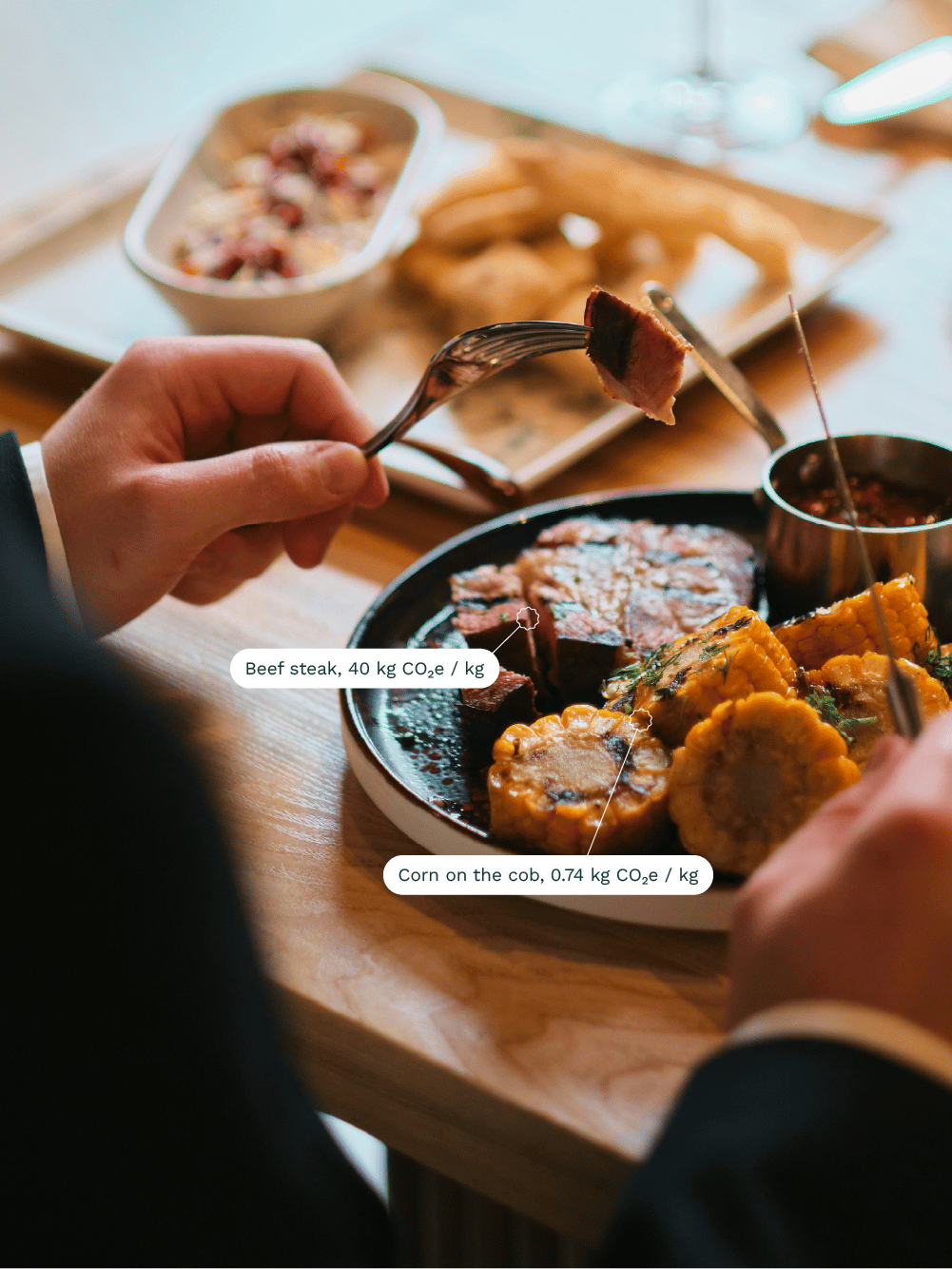
Across Klimato's customer data, a small number of ingredient categories consistently account for the majority of procurement emissions—and that profile is shifting. This report shows what that movement means, and how much of it goes unrecognized without SKU-level measurement.

The Mapping Challenge at Enterprise Scale
Most contract caterers have procurement data. The gap is in connecting it to emissions factors at the ingredient level. This report sets out what separates organizations that manage this well from those that rebuild their data from scratch each reporting cycle.

![]()
What Scope 3 Category 1 Scrutiny Now Looks Like
SBTi adoption, FLAG emissions requirements under the GHG Protocol, and procurement teams at large corporate accounts comparing sustainability credentials across caterers have moved Scope 3 Category 1 from voluntary to expected. This report covers the three questions your clients are most likely to ask.

What You'll Take Away
✔ A clear view of which procurement categories drive the most emissions—by category, with benchmark data from 2024 and 2025
✔ An honest picture of the SKU mapping challenge at enterprise scale, and what it takes to keep emissions data current as purchasing changes
✔ What clients and corporate accounts are asking about Scope 3 Category 1 reporting, and what it takes to answer with confidence
✔ Measurable outcomes from consistent reporting: Klimato customers reporting consistently in 2025 achieved an average of 1.461 kg CO₂e per portion—8.69% below the global average of 1.6 kg
✔ A starting point that's likely simpler than expected—the data you need is already in your procurement systems
The data in this report is drawn from aggregated, anonymized procurement reporting across Klimato's catering and foodservice customer base. All calculations use activity-based methodology rather than spend-based estimates, mapped to food-specific emissions factors.
Klimato is Used & Trusted by
Leading Food Operations Around the World
We support foodservice operators, restaurants, hotels, and food brand manufacturers, where emissions data needs to hold up across decisions, reporting, and day-to-day operations.
-
We highly recommend working with Klimato for any hotel that wants to distinguish itself through its commitment to the environment. Not only will you be contributing to a more sustainable future, you will also earn the trust and respect of your guests.

Aurélien Vangerven
F&B Manager at Hotel Indigo Brussels City
-
Clients are really impressed by our work with Klimato - especially for meetings and events - and in some cases, it helps us to win business deals. It also gives us a clear competitive advantage compared to other hotels in the city.

Majorie Sundström
Formerly Sales Manager at Courtyard by Marriott Stockholm
-
The climate impact insights that Klimato provides are becoming more important by the day, and the food I can cook with their help will be dominant in the future. Sodexo as a large company can influence many people to eat better, and we must take these steps together to contribute to a better future.

Oscar Jonasson
Executive Chef at Restaurant Björken, Sodexo Cytiva
-
I’m impressed by the user-friendliness of the app - it is very simple, clear, and precise. Composing new recipes is not too time-consuming, and monthly reporting is great to keep us updated on our progress.

Petra Rörfors
Formerly Director of Sales & Sustainability at Courtyard by Marriott
-
By working with Klimato and encouraging and educating clients to make conscious choices when they are with us, we’re bringing a huge new dynamic to the way we cater for events that can only have a bigger, positive impact for all.

David Connell
Director of Operations at Exclusive Collection
-
Since partnering with Klimato there's been a highly positive response from our guests, reflected in enhanced satisfaction scores. We have seen a notable increase in ratings on TrustYou and other booking platforms, showing that our guests value and appreciate our sustainability efforts.
Mövenpick Hotel
Jumeirah Beach
-
We're at the forefront of everything to do with sustainability. Our customers could easily buy food from shops in Helsingborg before boarding our ferries, so we (and our food) have to stand out.

Alexander Gerencser
Head of Food & Beverage at ForSea
-
Using Klimato, we have reduced our emissions from the dishes we serve, and we are proud that all of our salads and wraps have a carbon footprint of less than 0.5kg CO2e.

Ane Nordskar
COO at LETT
-
As a huge company with global scale, we need to lead the way with sustainability, because if we don't make changes, who will? So it's important to raise awareness about the climate, and it's also a business opportunity. The trend will go towards more vegetarian/flexitarian diets.

Christian Hallemyr
Head of Food Platform at Sodexo
-
Carbon-labeling our menus is an important step on our sustainability journey and Klimato has been the perfect partner to help us get there.

Richard Mackie
General Manager - DoubleTree by Hilton London ExCel
-
We work with Klimato to help us map the carbon footprint of all the dishes we produce. We've found this extremely useful in how we plan and put our dishes together. We would highly recommend Klimato to anyone looking to reduce their carbon footprint.

Robert Smith
Senior Head Chef at University of Bristol
-
We wanted to allow the staff and students to see the carbon impact of their food and also make an informed choice. Although food is such an individual choice, this shows that you can make a difference with it.

Sarah Cawthorne
Environment Officer for Catering at University of Nottingham
-
Our sustainability work has really taken off with the help of Klimato! Thanks to their calculation tool we have raised the awareness of our climate impact together with our restaurant guests. It's great!

Jonathan Petersen
Chef & Founder at Crème Filmhuset
-
By displaying the carbon footprint on our menus we affirm our commitment to sustainability and are able to inform our customers about the carbon impact of their meal. With Klimato, we can effectively share carbon reports with our clients to see trends and provide data to ensure we are moving in the right direction.

Aidan Walker
IFS Operations Director, ISS Ireland
Food Emissions Data That Stands Up to Scrutiny
Most carbon tools weren't built for food. Klimato was. Klimato delivers food-specific emissions data, deep industry expertise, and flexible solutions so food businesses can measure their impact, report with confidence, and take action that reduces emissions.
What sets Klimato apart:
• Food-specific emissions data verified against international standards
• Flexible tools that integrate with your existing procurement and reporting systems
• Insights that connect sustainability performance to operational decisions
• Expert support across full Scope 1, 2, and 3 reporting, including Scope 3, Category 1 (purchased goods and services)
Whether you're well-versed in sustainability or refining your strategy, Klimato helps you lead with data and make progress that counts.

Frequently Asked Questions
Who is this report for?
This report is for sustainability, procurement, and commercial teams at contract catering and foodservice organizations that manage food purchasing at scale and are working toward credible Scope 3 Category 1 reporting.
Where does the data come from?
All data is drawn from aggregated, anonymized procurement reports across Klimato's catering and foodservice customer base, covering thousands of mapped SKUs across multiple reporting periods. Results are calculated using activity-based methodology rather than spend-based estimates.
What's the difference between activity-based and spend-based calculation?
Spend-based calculation estimates emissions from financial spend across procurement categories. Activity-based calculation maps actual ingredient purchases to food-specific emissions factors at the SKU level, producing more granular results that hold up under audit and over time.
Is this the same as the Carbon Readiness Blueprint?
No. The F&B Emissions Hotspot Report is a data report based on Klimato's customer base. It shows where emissions concentrate across procurement and what consistent measurement produces in practice. The Carbon Readiness Blueprint is a practical toolkit for aligning teams and communicating credibly about food emissions.
Does downloading this commit me to anything?
No. The report is free to download with no obligation.